Educational article
Understanding Renewable Energy in the Baltic Region
· BSAEA Editorial Team
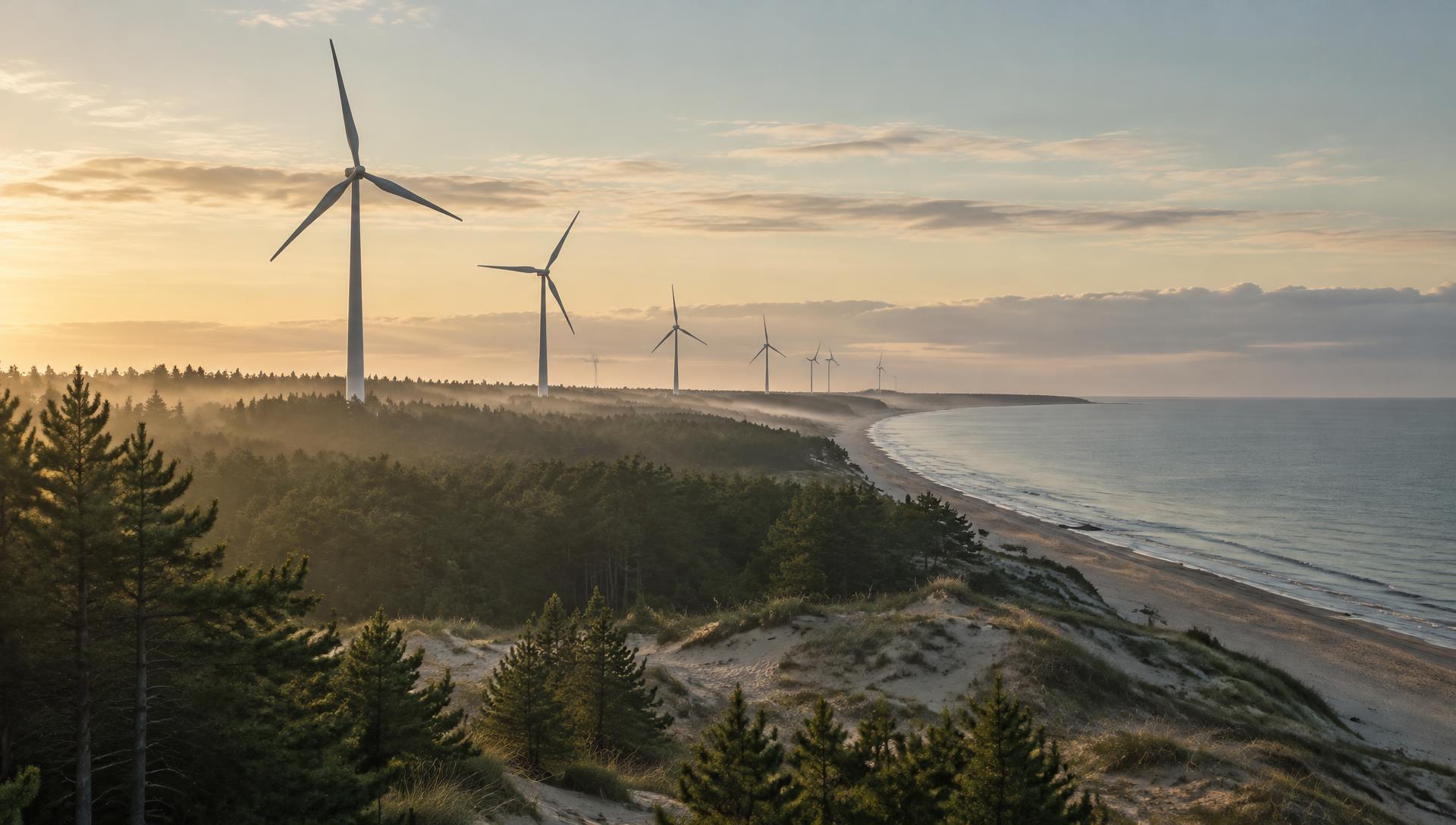
Forests, rivers, coastal winds and long summer days: an introduction to the renewable resources shared by Latvia, Lithuania and Estonia.
The Baltic countries share a landscape that is unusually well suited to a diverse renewable energy mix. Extensive forests, a long coastline exposed to westerly winds, a network of rivers and a strong tradition of district heating together create opportunities that differ from those of southern or central Europe.
A diverse resource base
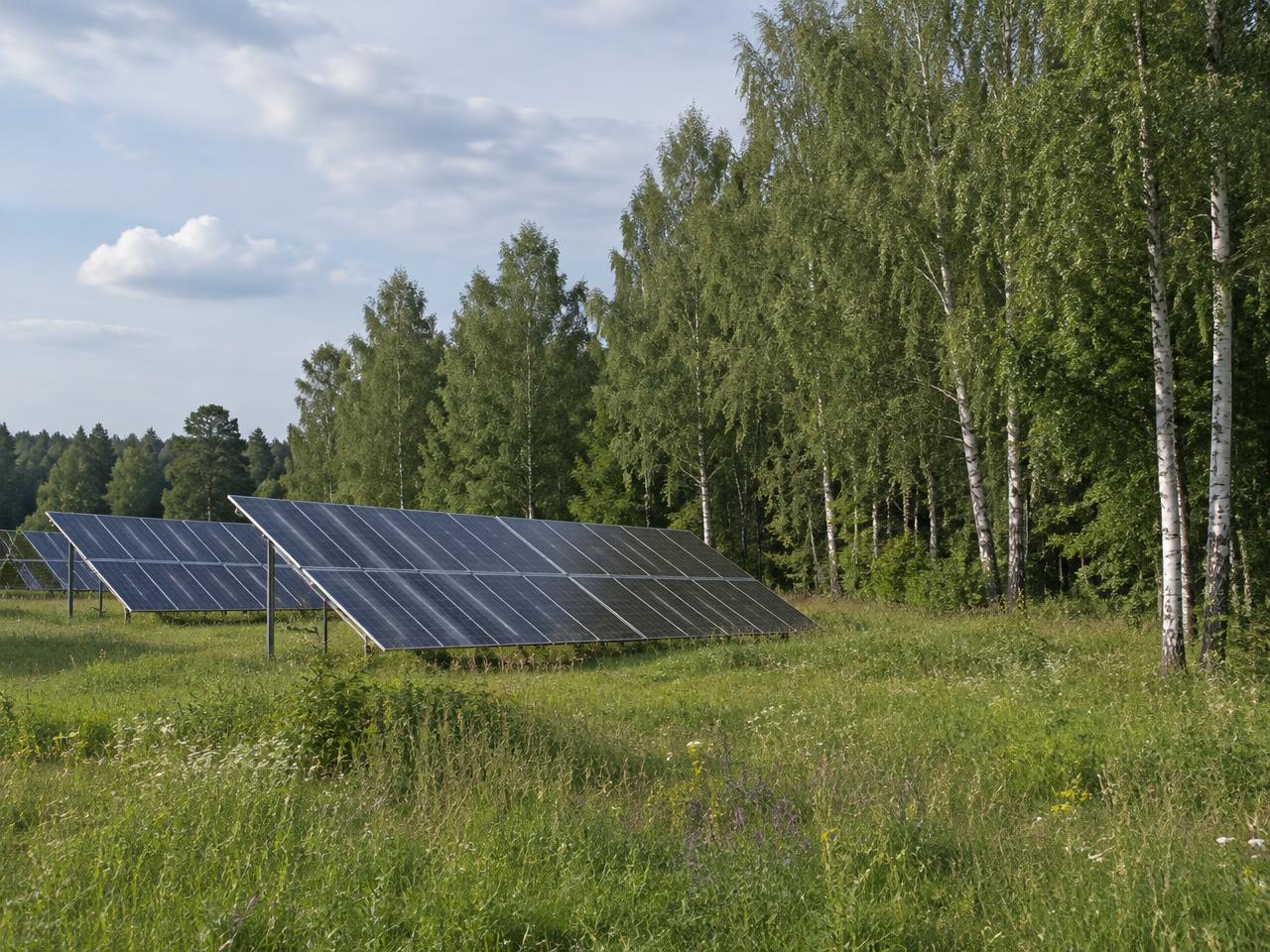
Biomass from sustainably managed forests has long played a role in heating. Hydropower on the Daugava has been part of Latvia's electricity supply for decades. Wind conditions along the coast and in the Gulf of Riga are increasingly studied for onshore and offshore generation, while solar photovoltaics have become more accessible for households, farms and businesses despite the region's northern latitude.
Why regional perspective matters
Energy systems do not stop at national borders. Interconnected grids, shared sea areas and common European climate and energy frameworks mean that understanding renewable energy in the Baltic context requires looking at the region as a whole, while respecting local conditions and community concerns.
Where to learn more
Reliable, regularly updated data is published by national statistics offices and by European institutions such as Eurostat. We encourage readers to consult these original publishers when looking for figures, and to treat any single article — including this one — as an introduction rather than a final word.
This educational article is provided for general information only and does not constitute professional, technical or financial advice.
Further reading