Educational article
Introduction to Solar Energy Technologies
· BSAEA Editorial Team
How photovoltaic and solar thermal systems work, and what to consider before installing them in a northern climate.
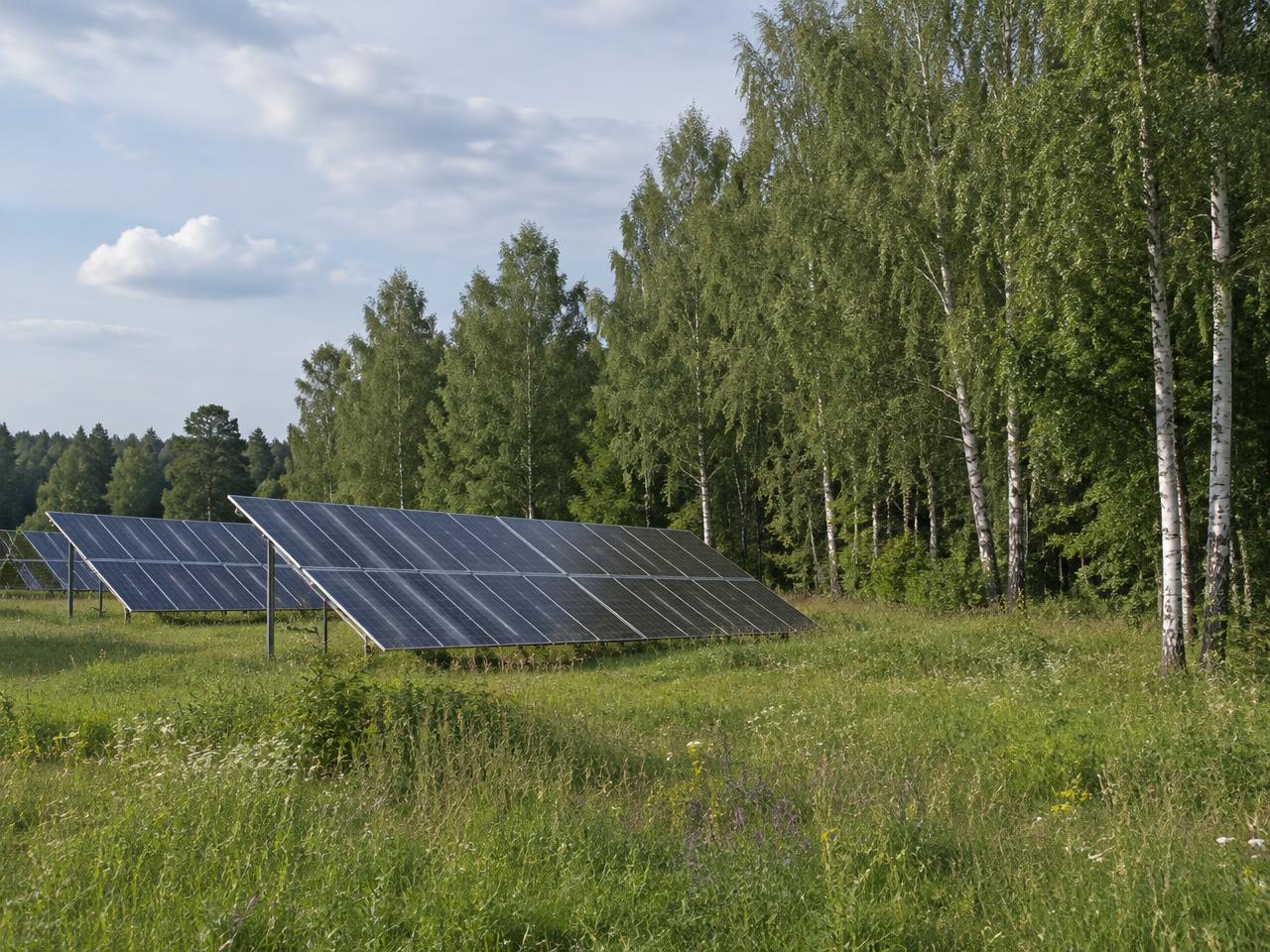
Solar energy can be used in two main ways: photovoltaic (PV) panels convert sunlight directly into electricity, while solar thermal collectors use the sun's heat to warm water or air.
Photovoltaics in brief
A PV module is made of semiconductor cells that generate a direct current when exposed to light. An inverter converts this into alternating current for use in buildings or for export to the grid. Output depends on orientation, tilt, shading, temperature and, of course, the season.
Northern considerations
In the Baltic region, long summer days compensate in part for low winter irradiation. Snow load, roof structure, grid connection rules and self-consumption patterns all deserve attention. Independent advice and several comparable offers are generally recommended before any installation.
Beyond the panel
Solar energy is most effective when combined with energy efficiency measures and, where suitable, with storage or demand flexibility. Understanding one's own consumption profile is a good first step.
This educational article is provided for general information only and does not constitute professional, technical or financial advice.
Further reading